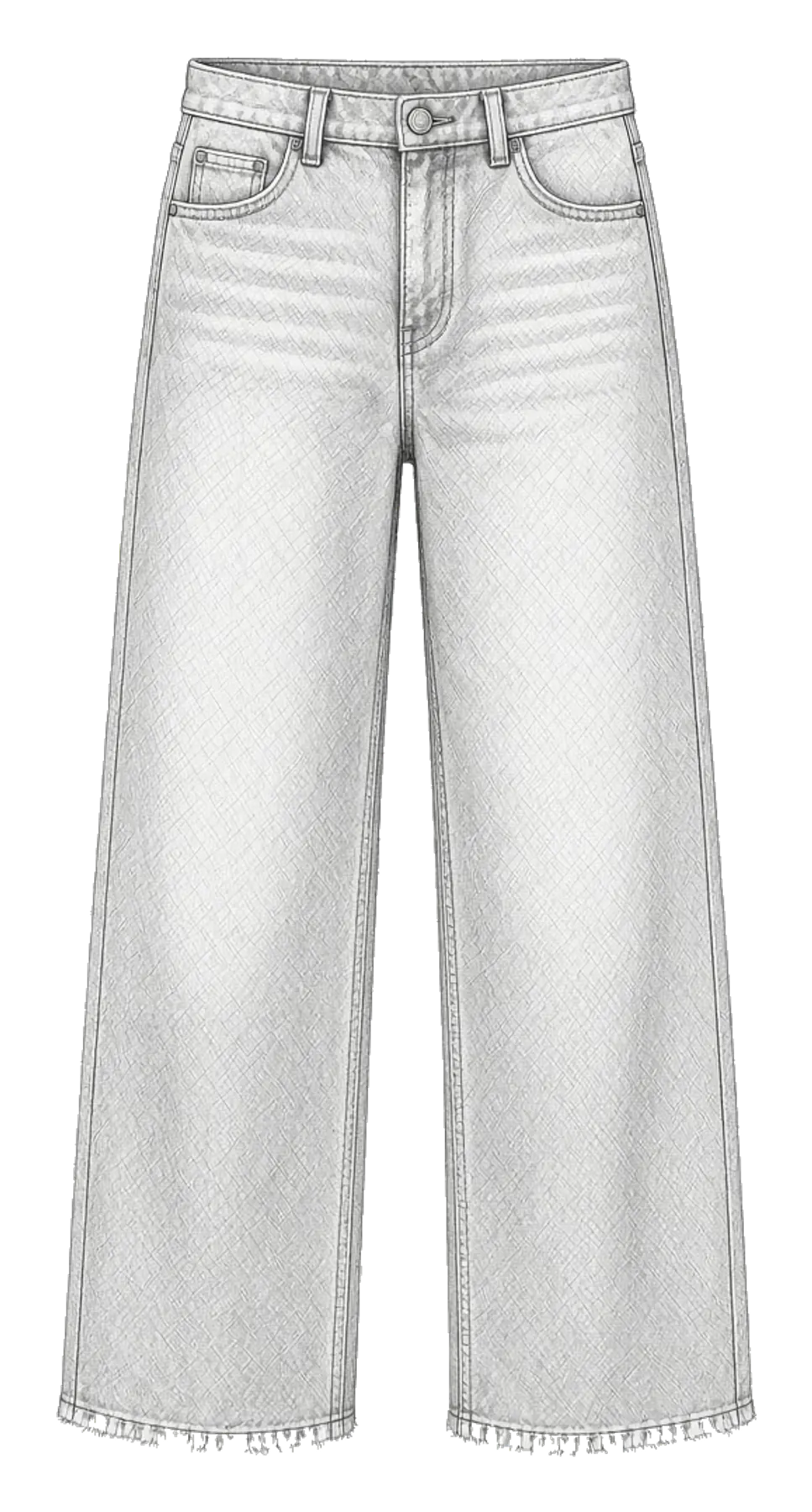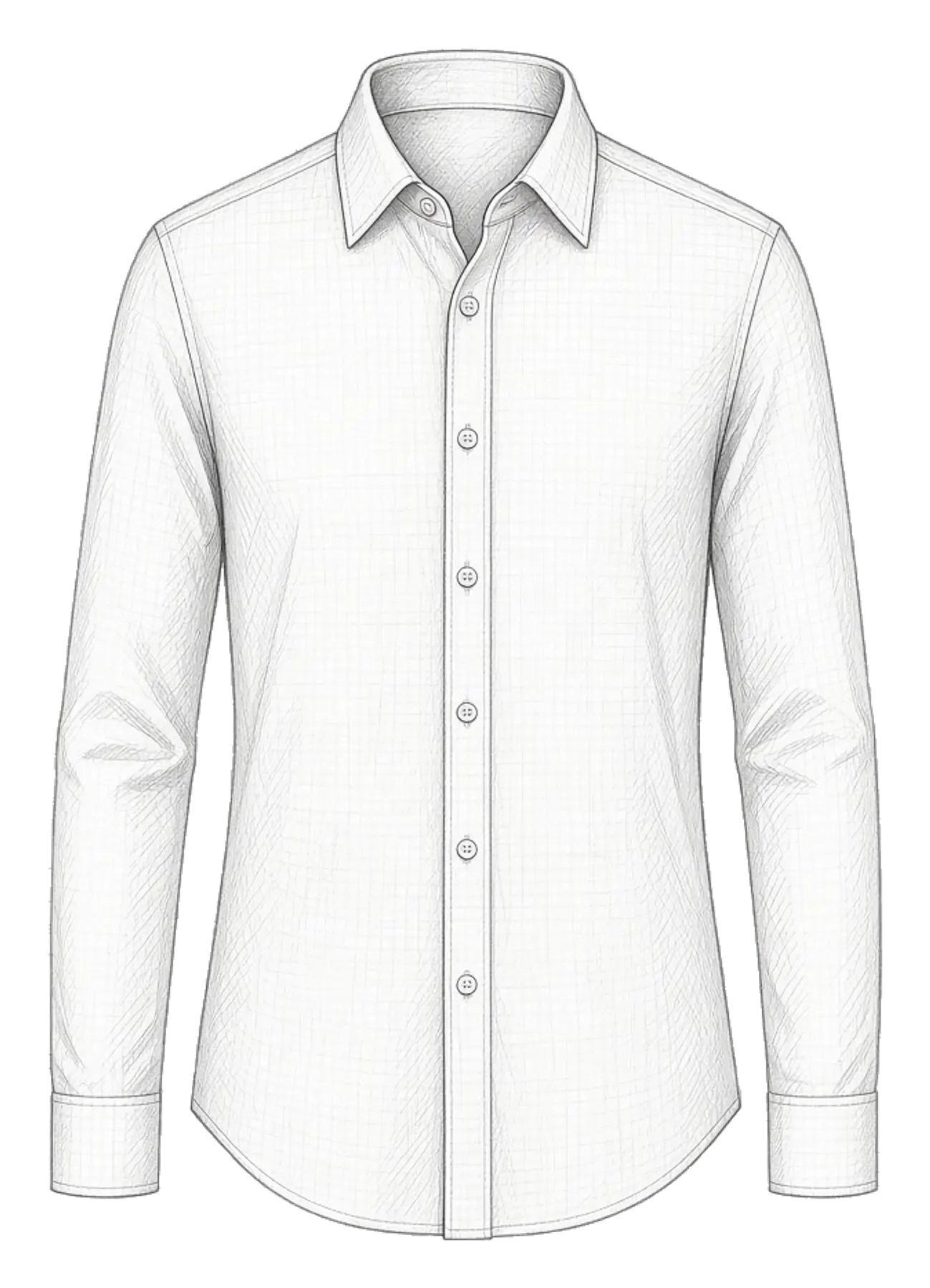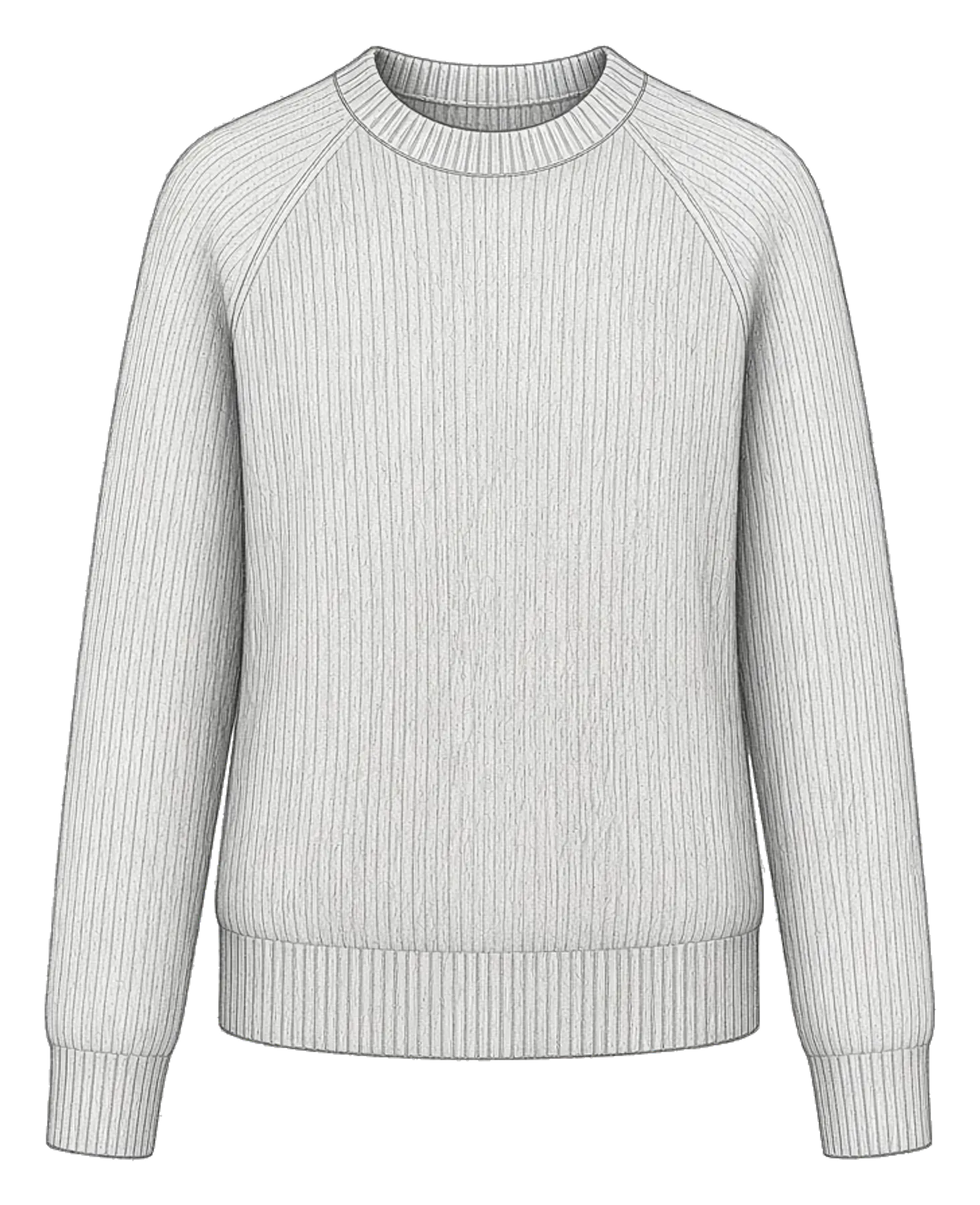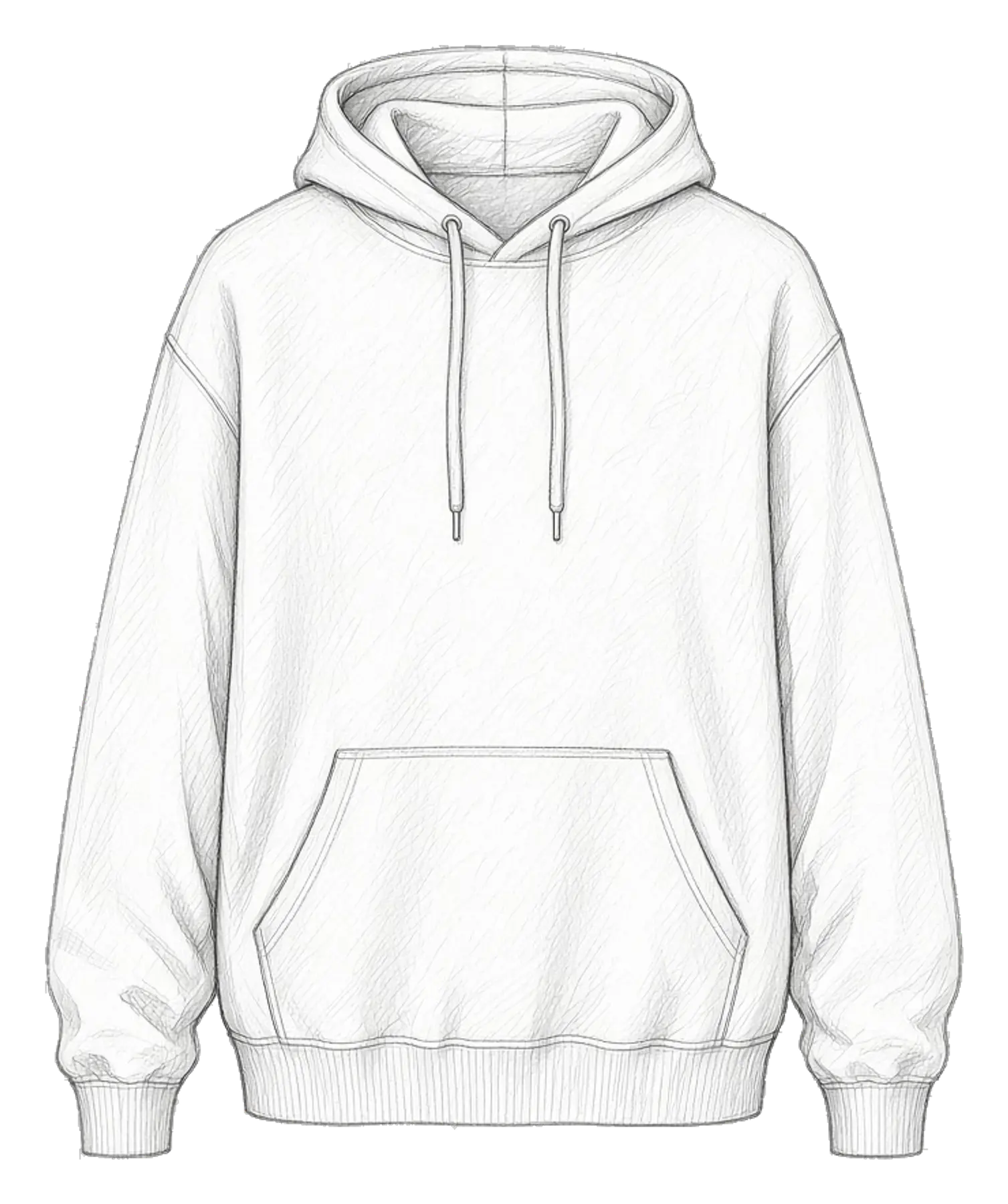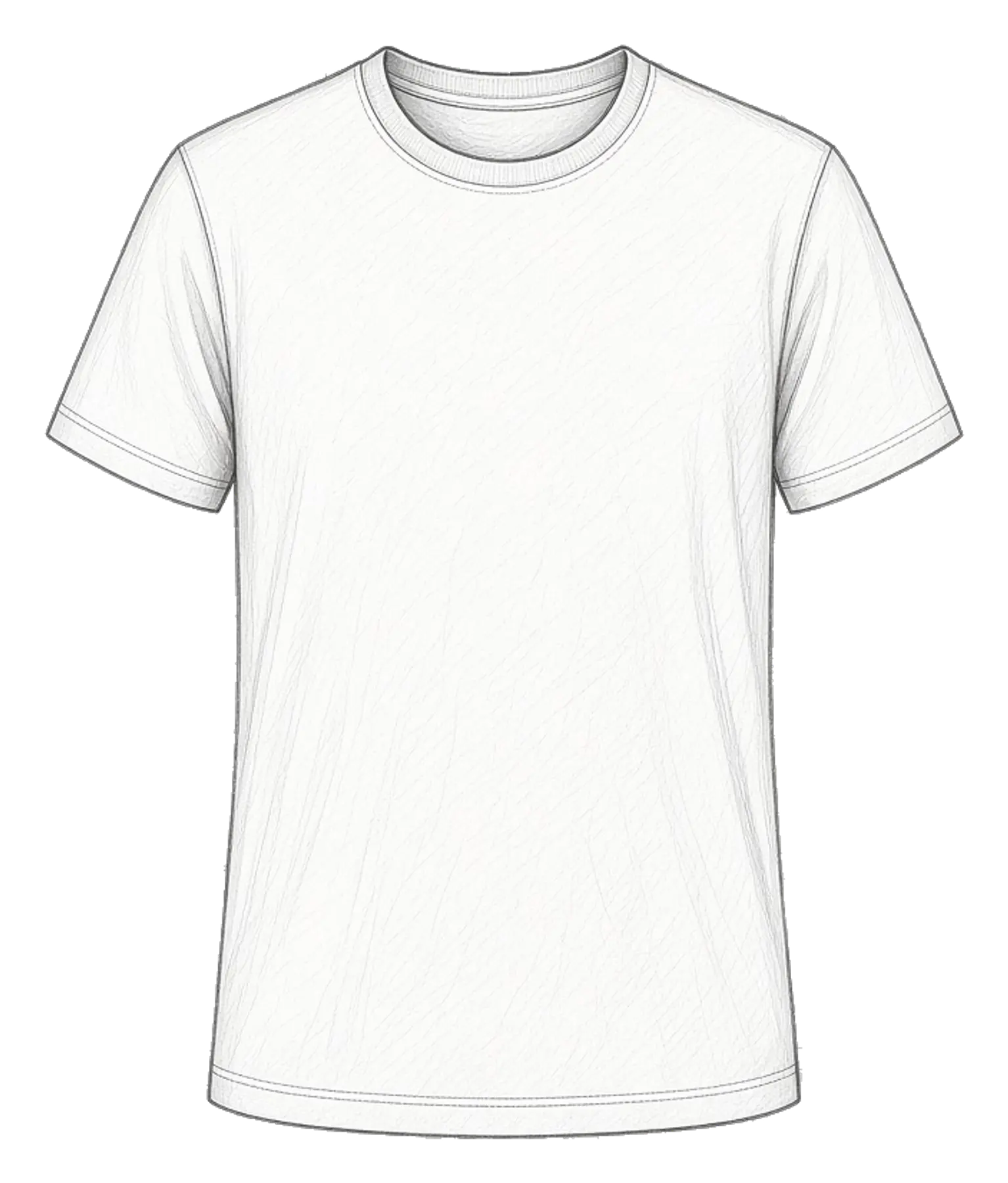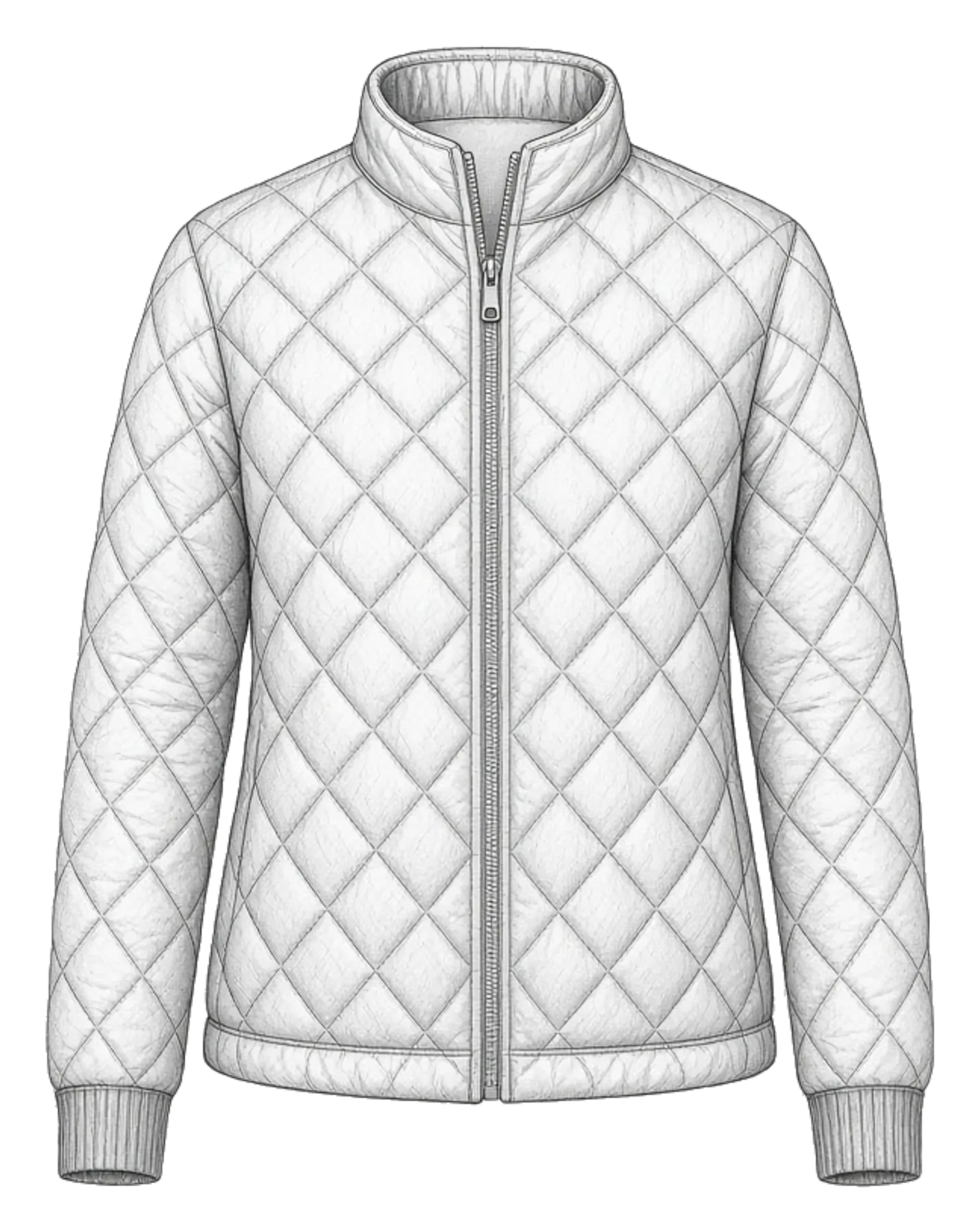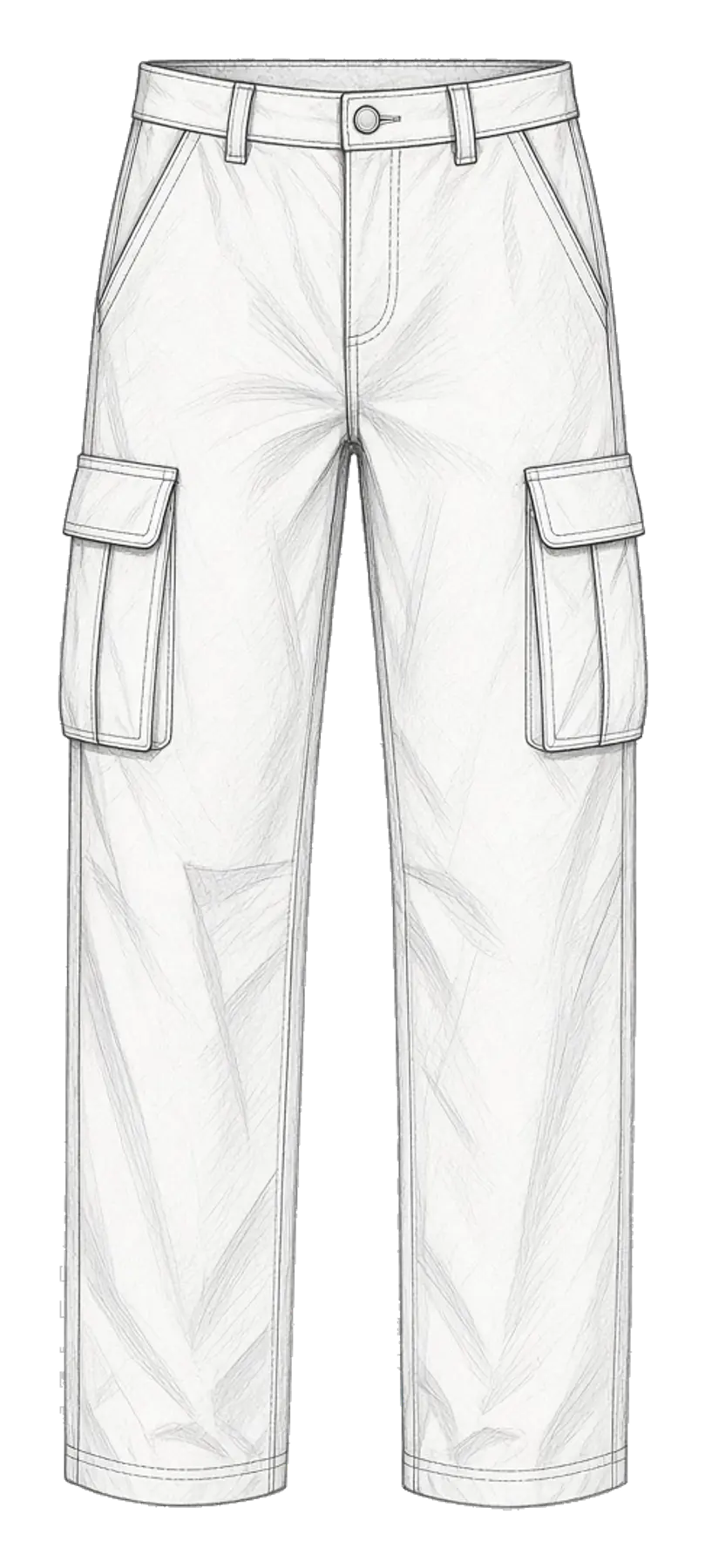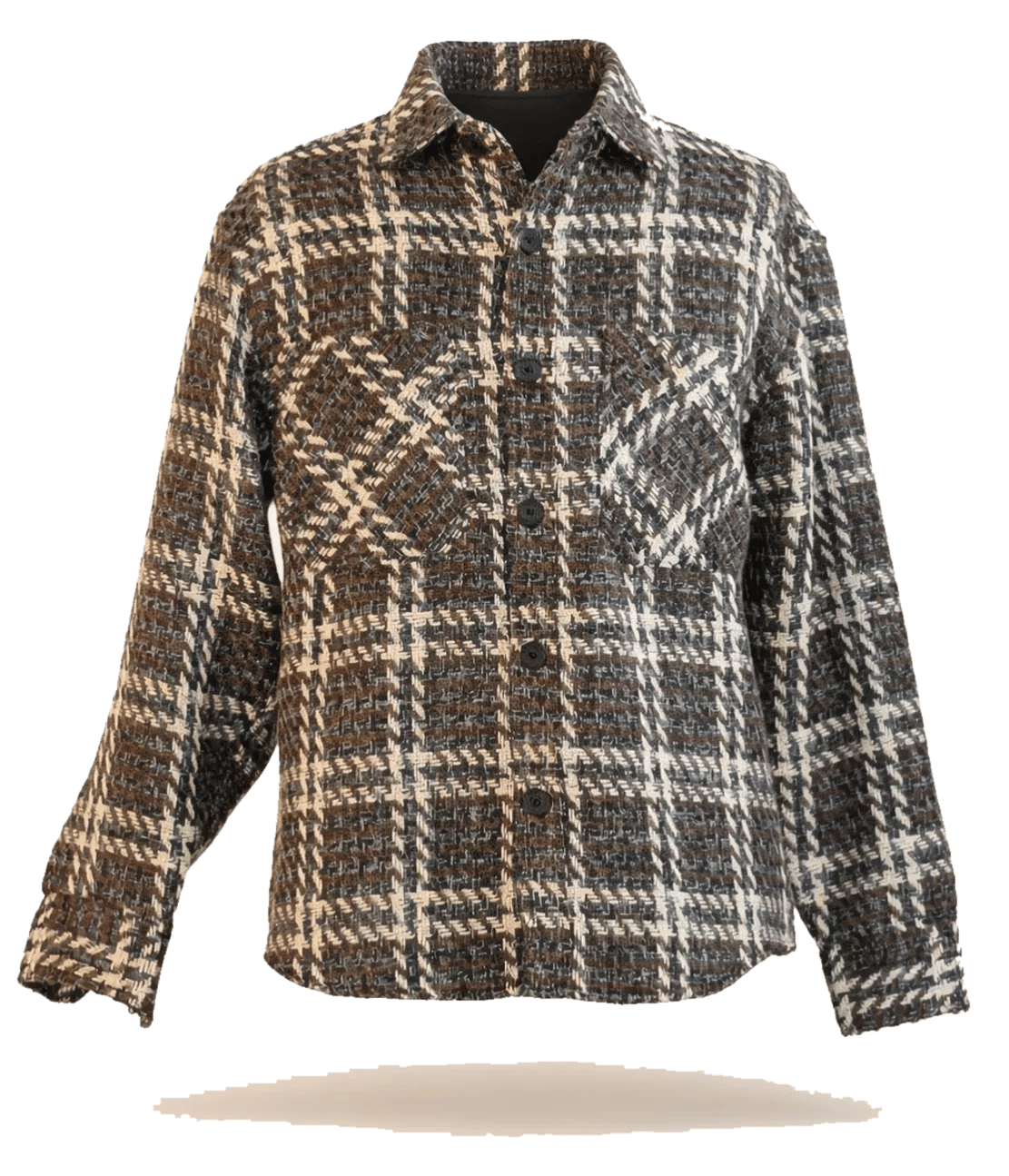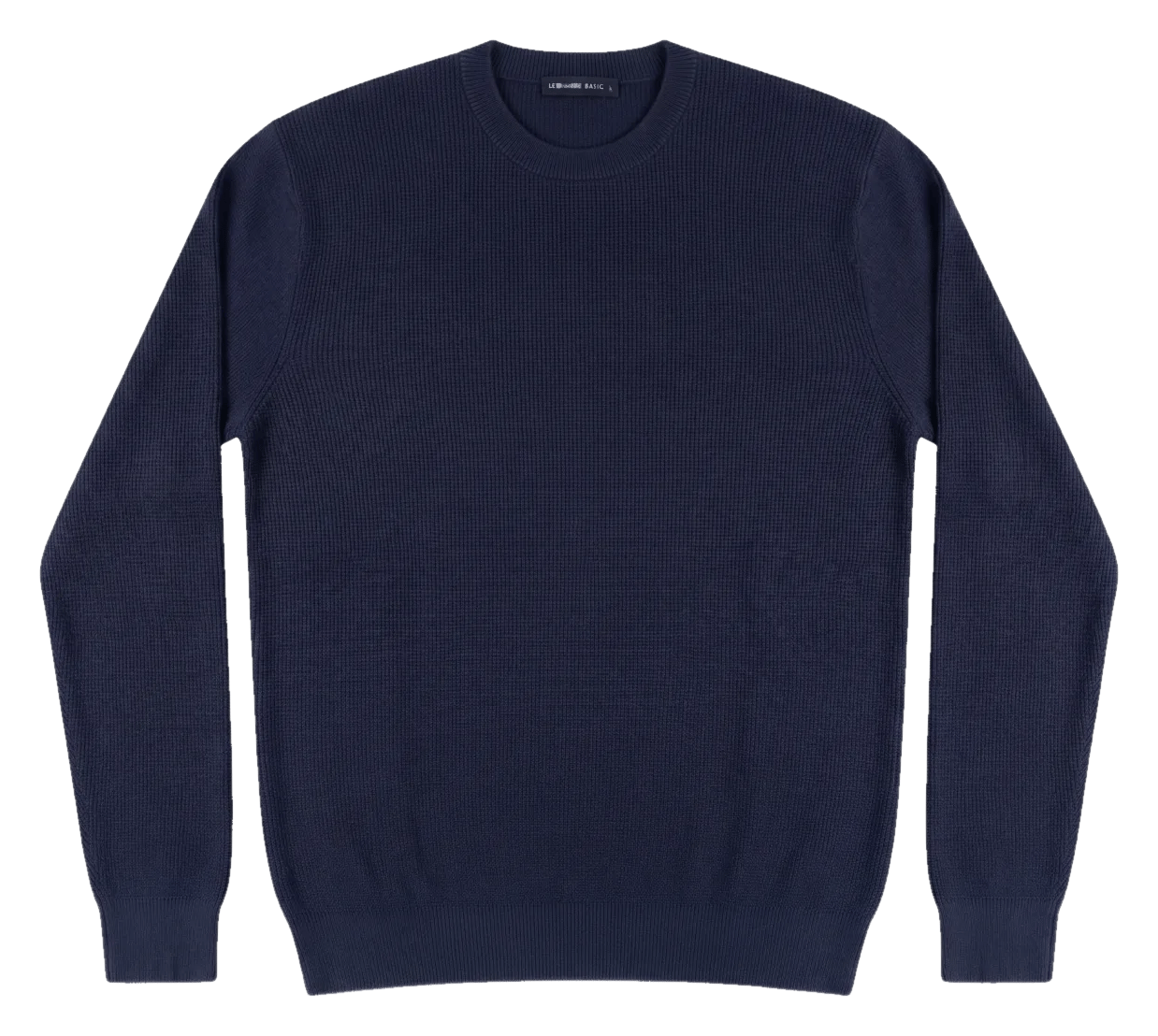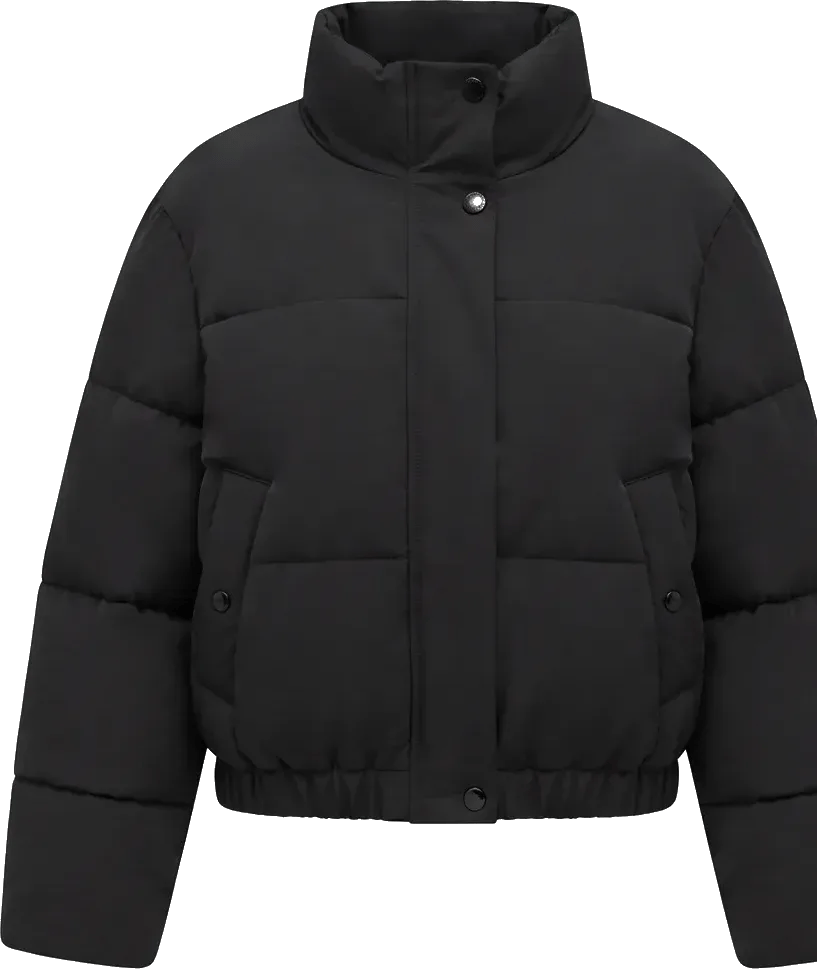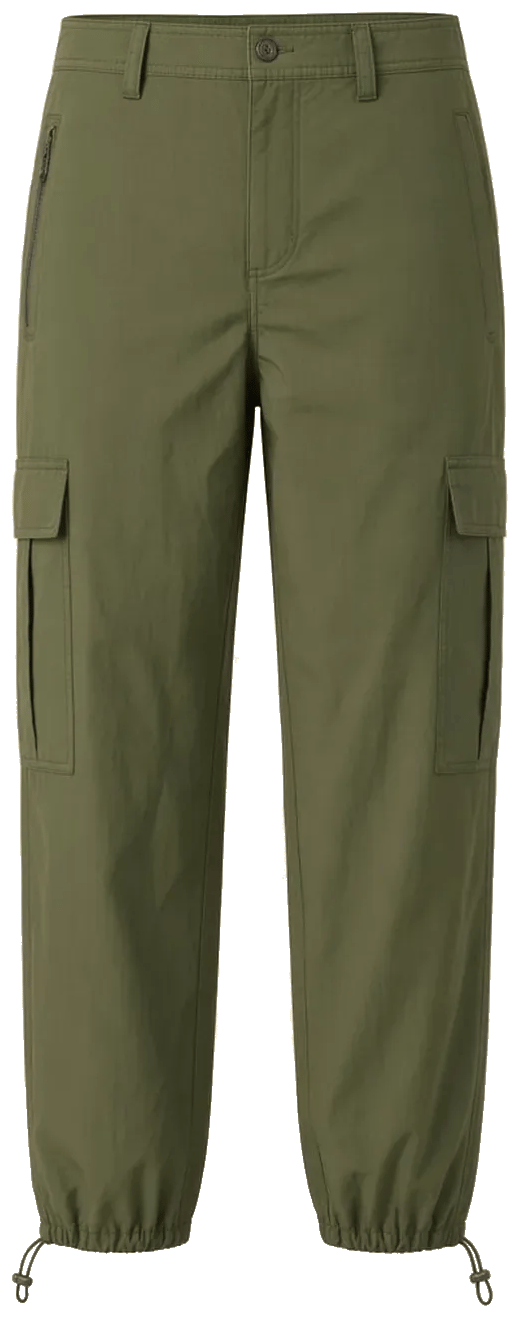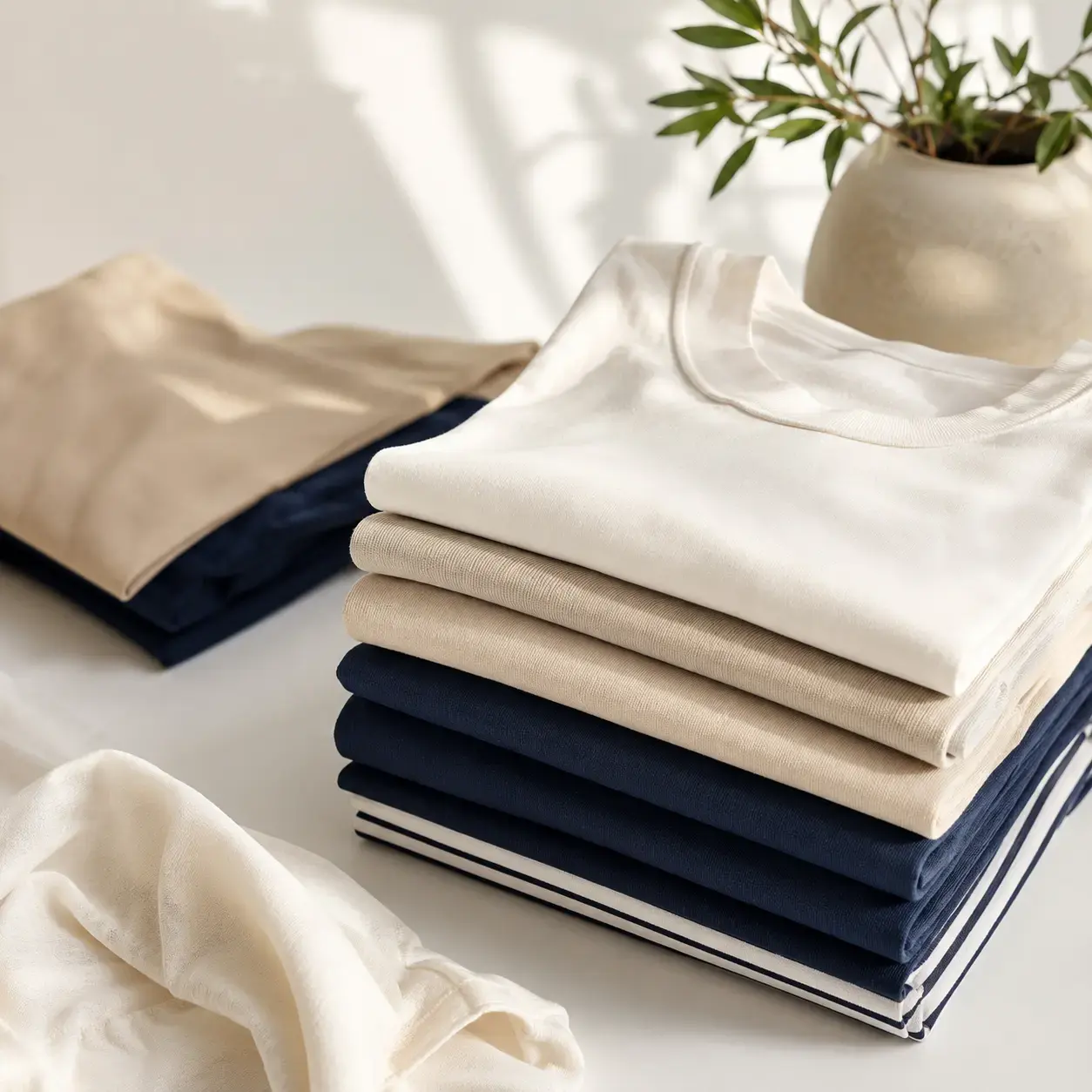
Lower starting quantities are a real buyer need, especially for new labels and trial styles. The honest answer depends on fabric, construction, and factory setup. Zero Yards International helps structure first programs around practical minimums instead of impossible promises.
What we coordinate
- Quantity planning by product type
- Factory matching that can support trial-friendly runs where possible
- Sampling before bulk commitment
- Clear communication on what is and is not feasible
Planning notes
Minimums depend on fabric, construction, and factory setup. For many basic knit and casual styles, programs can often start in the low hundreds of pieces per style when the right factory match is available. Complex washes, special trims, or niche fabrics usually need higher quantities.
A practical planning window for many Bangladesh apparel programs is about 60 to 90 days of production after sample approval and order confirmation, then sea freight. Ocean transit to US and Canadian gateways usually needs a longer calendar than Northern Europe, so share the warehouse or in-store date in the first brief. Sampling and fabric booking sit in front of that window.
FOB depends on fabric weight, composition, finishing, trim package, order volume, and quality standard. Public price lists go stale quickly. The useful move is a clear tech pack, target quality level, and quantity so the desk can return a current commercial reading.
Prepare the brief for lower-quantity clothing manufacturing support in bangladesh before comparing suppliers
A useful supplier search starts with decisions that are easy to postpone and expensive to correct later. Set the product category, fabric direction, construction details, size range, target market, quantity by style, and required delivery date. Add the label, packaging, testing, social-audit, and chemical-document requests that actually apply to the order. A factory can only give a meaningful response when the brief makes those boundaries clear. This keeps a first conversation from turning into a vague promise about price, capacity, or certification.
For an apparel program, the sample is the practical point where the brief meets production reality. It should be reviewed for measurement, fit, handfeel, construction, colour reference, print or embroidery placement where relevant, and packaging instructions. Record comments in one controlled document. When the buyer, sourcing desk, and factory work from different versions of a specification, the later bulk discussion becomes slower and more difficult to audit.
| Stage | Buyer provides | Zero Yards International coordinates | Verify before bulk |
|---|---|---|---|
| Brief | Tech pack, target market, quantity range, and delivery target | Product-fit shortlist and questions that need an answer | The selected construction and requested documents match the brief |
| Sampling | Consolidated fit, material, and trim comments | Sample follow-up and a clear comment trail | One approved reference and one current specification |
| Bulk | Final approvals and any change control | Time and action follow-up with matched factories | Critical measurements, shade, workmanship, and pack details |
| Shipment readiness | Destination and document instructions | Pre-shipment coordination and visibility on open points | Commercial, packing, and shipping documents are reviewed by the responsible parties |
Choose a factory match, not a generic factory list
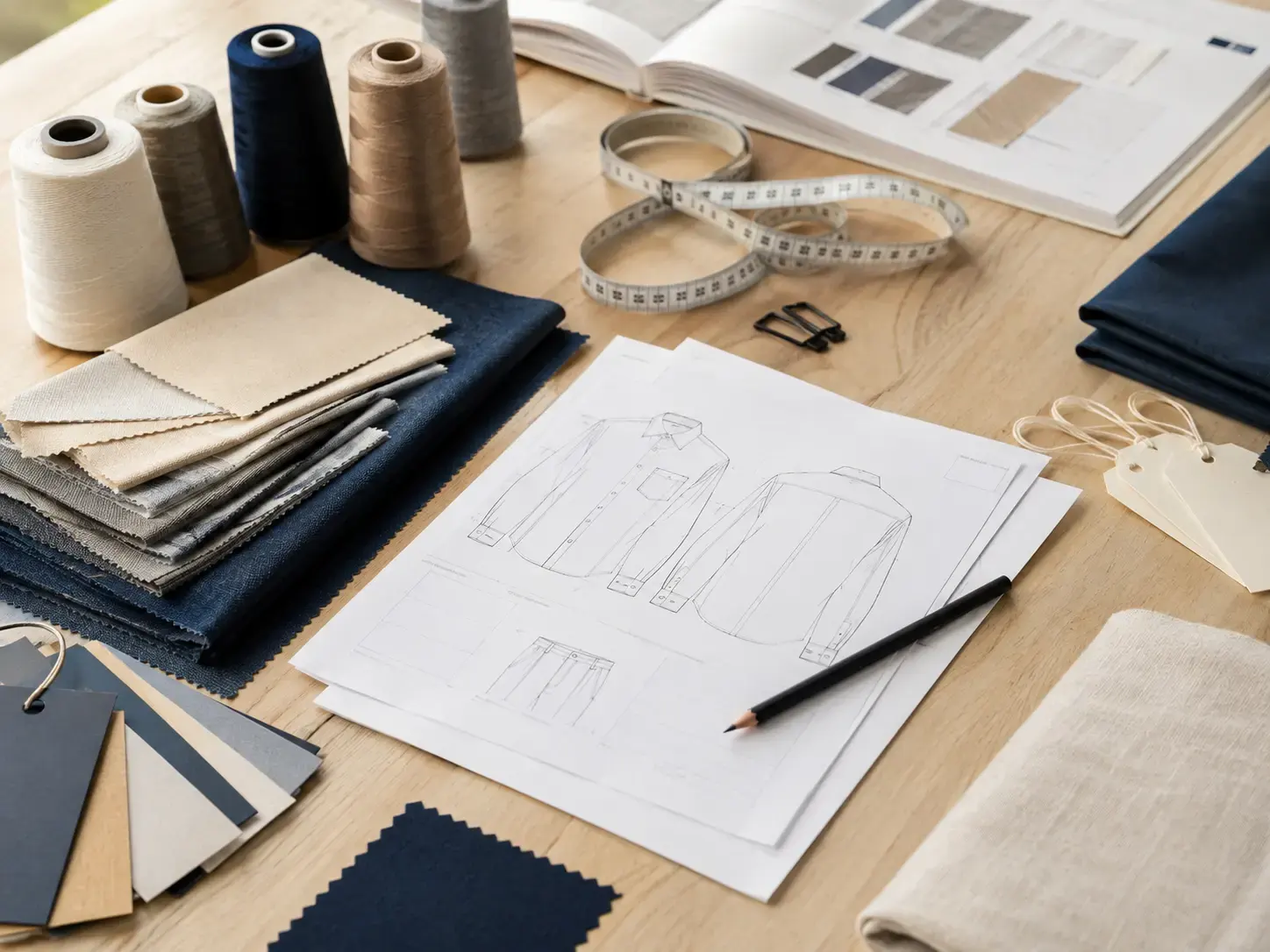
The right production route depends on the garment. A heavyweight brushed-fleece hoodie, a lightweight jersey T-shirt, a henley, a lounge set, and a stretch activewear style place different demands on fabric, machinery, finishing, and quality control. Treat a product capability claim as a question to verify against the actual style. A responsible shortlist is smaller and more useful than a long supplier list that says every factory can make every category.
Ask each shortlisted route how it will interpret the construction, what must be confirmed during sampling, and which buyer requirements need evidence before booking. This is also the right time to identify whether a material claim needs chain-of-custody documents or whether a retailer requires a particular audit format. Zero Yards International can request and organise the evidence named in a buyer brief. It does not claim to hold factory or material certifications in its own name.
Use a current commercial reading, not a public quote
Cost and timing should be read together. Fabric composition and weight, dyeing or wash treatment, trims, finishing, order volume, inspection requirements, destination, and freight mode can each change the commercial result. A public FOB figure cannot account for those choices and soon becomes misleading. The better comparison is a like-for-like costing request that uses the same tech pack, quantity assumptions, approval path, and delivery destination for every option.
Do not treat a lower first number as a complete sourcing decision. Confirm what it includes, which version of the specification was used, what is still provisional, and whether the calendar leaves room for sample comments. If a requirement changes after costing, put that change back through the same controlled process. Clear assumptions protect both the buyer and the factory from a bulk order built on an outdated sample or incomplete pack.
Keep compliance evidence and product claims specific
Social audit evidence, chemical restrictions, fibre-content labelling, testing, and environmental claims have different purposes. They should be requested as separate parts of the buyer requirement list. Market rules and retailer manuals can differ across the United States, Canada, and Europe, so confirm the required product pack with the responsible importer or brand team early. This is a reason to prepare a specific requirement list, not a reason to publish a blanket compliance promise.
Build the evidence request into the calendar rather than attaching it at the end. A buyer can list the needed audit format, material documentation, restricted-substance expectations, test reports, fibre declaration, label copy, and claim substantiation with the initial brief. The sourcing desk can ask the selected route for the relevant documents and keep open points visible. That does not turn a document into a permanent promise. Evidence needs to be reviewed for its scope, date, production site, product connection, and the buyer's own acceptance criteria.
The same discipline applies to marketing language. Terms such as organic, recycled, responsible, tested, or certified should only appear on a product when the responsible brand has the evidence and approvals needed for the market where it will be sold. A sourcing conversation can identify which documents may be needed, but it cannot replace a buyer's legal review. Keeping product claims, labels, and documents in the same approval trail reduces the risk that a late packaging change contradicts the approved material or sample information.
At handover, ask four simple questions: is the current specification the one used for bulk, are approved sample comments recorded in one place, do labels and packaging match the destination, and has each requested document been checked by the responsible party? If any answer is unclear, close it before goods are released. This is not extra administration for its own sake. It is the practical record that lets buyer, factory, freight partner, and sourcing desk work from the same order rather than from several informal messages.
Frequently asked questions
- Can Zero Yards International support lower-quantity clothing manufacturing support in bangladesh programs?
- Yes when the brief fits our sourcing-partner model. Share product details, quantity range, destination, and timing so we can match factories and plan sampling.
- What information should the first brief include?
- Tech pack or detailed specs, target market, quantity range, delivery window, and any compliance or testing requirements.
- How should compliance evidence be handled?
- Name the market, retailer, audit, testing, fibre-content, and claim requirements in the brief. We can request evidence against that list, while the buyer keeps final approval responsibility.
- What is a realistic starting quantity?
- Minimums depend on fabric, construction, and factory setup. For many basic knit and casual styles, programs can often start in the low hundreds of pieces per style when the right factory match is available. Complex washes, special trims, or niche fabrics usually need higher quantities.
Ready to discuss a sourcing brief?
For fashion brands, importers, and wholesale buyers. Share your product family, sample status, and market destination so we can prepare the next conversation.
Discuss your sourcing brief on WhatsApp